 0
0
 0
0
Key Takeaways
- International primary schools combine global curricula with local context, so children learn core subjects through real-world themes.
- Inquiry-based projects and multicultural classrooms help pupils build confidence, curiosity, and communication skills.
- Assessment focuses on progress and well-being, with feedback that goes beyond exam scores.
Introduction
For most parents, choosing an international primary school in Singapore simultaneously feels exciting and confusing. Parents walk through bright classrooms, hear about inquiry-based learning, and see children speaking confidently in several languages. Engaging with an international school in Singapore can help parents understand what their child will experience, as it combines a global curriculum with local expectations, helping children learn core subjects while developing independence and cultural awareness.
Core Subjects With Global Context
In most international schools in Singapore settings, English, mathematics, and science form the backbone of the curriculum. These subjects follow recognised international frameworks, but teachers often use real-world themes to make lessons relatable. A maths unit might involve budgeting for a class event, while science projects could explore local ecosystems or sustainability. Children also study humanities, including geography and history, through a global lens that encourages curiosity about different cultures. The emphasis stays on understanding concepts rather than memorising facts, so pupils explain their thinking and apply knowledge in practical tasks. Teachers integrate technology through tablets and boards, helping pupils practise skills while collaborating. Libraries and maker spaces encourage reading and experimentation, turning ideas into creations that children share with families.
2. Inquiry and Project-Based Learning
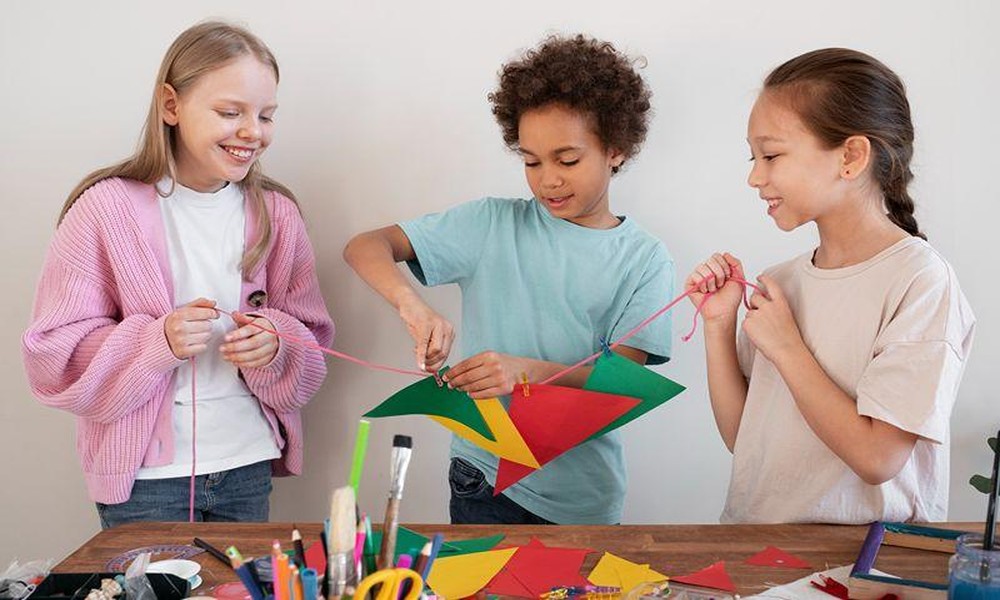
Apart from textbooks, many international primary schools use inquiry-based learning to keep children engaged. Teachers pose questions and guide pupils to research, discuss, and present their findings. A unit on communities might lead to interviews with local residents or creative models of neighbourhoods. Group projects build teamwork, while presentations help children gain confidence in speaking, are suitable for curious learners who like asking why and how, and mirror how children naturally explore the world. Parents often notice their child talking enthusiastically about school topics at home. Some schools invite guest speakers or organise field trips, giving projects a real audience and linking classroom learning with the wider city.
3. Language and Cultural Exposure
Language learning is a defining feature of an international primary school. While English usually serves as the main medium of instruction, additional languages such as Mandarin, French, or Spanish appear in the timetable. Cultural celebrations, international days, and diverse classroom communities expose children to different traditions and perspectives, which helps pupils develop empathy and communication skills early on. For families relocating from abroad, it also creates a familiar yet multicultural setting that eases adjustment to life in Singapore. Buddy systems often pair new pupils with older students, easing nerves and building friendships across year groups.
4. Assessment Without High-Stakes Pressure
Assessment in many international schools focuses on progress rather than pressure. Teachers use observations, portfolios, quizzes, and projects to track learning, and parents receive detailed feedback on strengths and areas for improvement. Formal exams sit alongside continuous assessment, reducing stress while keeping families informed about academic development. Children learn to reflect on their work, set goals, and understand that mistakes form part of the learning process. Workshops for parents explain grading practices and help families support learning at home.
5. Holistic Development Beyond Academics
Timetables extend beyond core subjects to include art, music, physical education, and extracurricular activities. Sports days, performances, and clubs give children outlets for creativity and social connection. Well-being programmes may cover mindfulness, digital citizenship, and friendships, recognising that emotional growth matters as much as grades. Many international schools encourage community service projects, helping pupils understand responsibility and kindness. Parents often find that children become more confident, independent, and articulate through these broader experiences. After-school programmes also help working parents manage schedules without relying on separate childcare arrangements.
Conclusion
Visiting an international primary school can feel reassuring, but daily routines sometimes differ from parents’ assumptions. Lessons often look more collaborative and discussion-led than traditional classrooms, and homework can focus on reflection rather than drills. Children may discuss projects and group tasks instead of worksheets, which can surprise families used to conventional systems. The expectations and reality can help parents judge whether the learning style suits their child’s personality and learning preferences, rather than relying on reputation or marketing language.
Contact Middleton International School to explore more perspectives on everyday primary education.