 0
0
 0
0
Starting your child’s early learning journey can feel both exciting and overwhelming. Between comparing curricula, researching teachers, and finding a nurturing environment, there’s a lot to consider. For parents exploring options like a playgroup in Singapore or a Chinese preschool, the choices can seem endless and sometimes confusing. Early childhood education is more than just colours, songs, and playtime. It’s where social skills, confidence, and foundational learning begin. But how do you know if a playgroup or preschool is right for your child?
1. A Nurturing and Safe Learning Environment
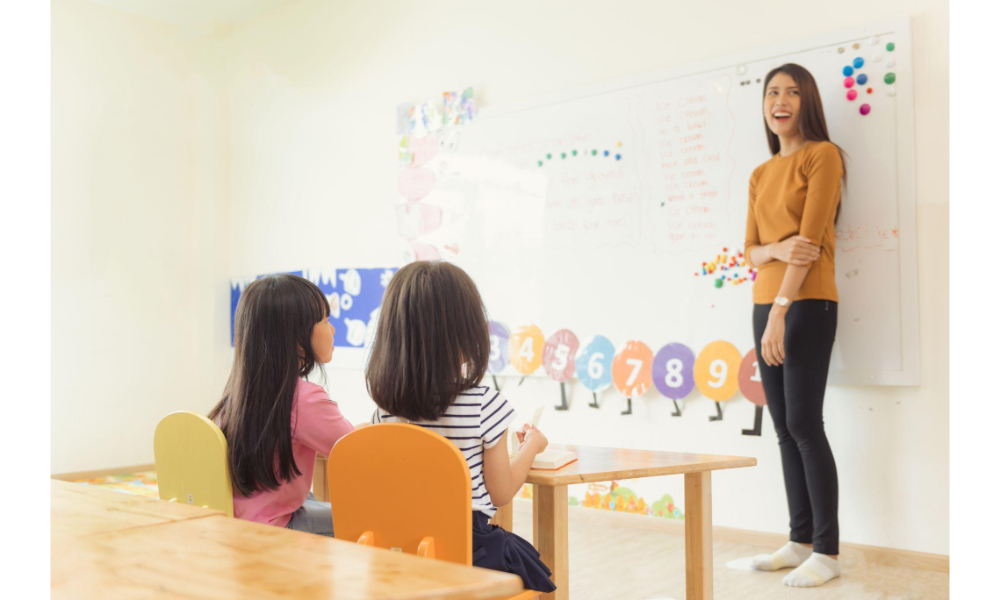
The first thing to look for in any playgroup in Singapore is the atmosphere. A safe, welcoming, and cheerful space helps children feel secure enough to explore, interact, and learn. Observe the setup: are classrooms bright, well-ventilated, and child-friendly?
In quality Chinese preschool environments, safety and comfort go hand in hand. Teachers maintain cleanliness, proper supervision, and age-appropriate furniture, ensuring children can move and learn freely. Look out for soft flooring, well-organised play areas, and safety gates where needed.
2. Language Exposure and Bilingual Learning
In Singapore, bilingualism is a lifelong advantage. Many parents today seek Chinese preschool programmes that blend language learning naturally into daily activities. The best programmes don’t rely solely on rote memorisation or flashcards. Instead, children learn Mandarin through songs, storytelling, play, and real-life interactions.
A strong bilingual foundation at the playgroup in Singapore boosts brain development and sets the tone for smoother learning in primary school. Even simple Mandarin phrases or songs can make a world of difference in language confidence later on.
3. Experienced and Caring Teachers
Teachers play a pivotal role in shaping a child’s early experiences. In a good playgroup in Singapore, educators are instructors, guides, caregivers, and role models. When visiting a centre, observe how teachers interact with children: Are they patient and attentive? Do they encourage exploration or curiosity?
Experienced teachers understand that each child learns differently. They nurture through encouragement, positive reinforcement, and gentle guidance. In a Chinese preschool, bilingual teachers are especially valuable as they blend cultural understanding with academic skill, creating a richer and more inclusive learning experience.
4. A Balanced and Play-Based Curriculum
Learning at the playgroup stage should be engaging, interactive, and meaningful. A quality curriculum is about hands-on experiences that connect play with understanding. A good Chinese preschool integrates structured learning with creative exploration. Activities such as storytelling, art, and sensory play help children develop problem-solving, communication, and motor skills.
In playgroup programmes in Singapore, lessons often revolve around themes like nature, family, or emotions, making concepts relatable and memorable. The goal is to nurture curiosity, imagination, and confidence for future education.
5. Class Size and Individual Attention
Every child deserves to feel seen and heard. Smaller class sizes are ideal because they allow teachers to observe each child’s progress closely and offer personalised support. In larger groups, quieter children might struggle to express themselves. A good playgroup in Singapore usually maintains a low teacher-to-child ratio, ensuring everyone receives the right amount of care and attention.
Similarly, in a Chinese preschool, smaller groups allow teachers to guide language learning more effectively. They can focus on pronunciation, comprehension, and participation in developing bilingual skills from a young age.
6. Parental Involvement and Communication
The best schools view parents as partners in education. Transparent communication helps align home and school learning. Before enrolling in a playgroup in Singapore, check if the centre provides regular updates or progress reports. Some schools organise parent-teacher meetings or workshops to share developmental milestones and learning strategies.
In many Chinese preschool settings, families are encouraged to continue simple Mandarin activities at home to reinforce classroom learning. This connection ensures children feel supported both in school and at home.
7. Enrichment Activities and Holistic Development
A well-rounded programme goes beyond academics. Holistic development includes emotional intelligence, creativity, and physical well-being. In playgroup centres in Singapore, you might find activities like music, movement, or outdoor exploration. These experiences encourage teamwork and build confidence in expressing ideas.
Meanwhile, Chinese preschool programmes often integrate cultural exposure, making learning immersive and enjoyable. These activities strengthen both identity and global awareness from an early age.
Conclusion
Choosing a playgroup in Singapore or a Chinese preschool is one of the most important decisions in your child’s early years, and it doesn’t have to be stressful. By keeping this essential checklist in mind, you’ll be equipped to find a place that nurtures both learning and happiness. Every child’s journey begins differently, but the right environment can make all the difference. A strong start in early education is about building confidence, curiosity, and connection.
Looking for a nurturing playgroup in Singapore that offers engaging bilingual learning? Reach out to Orange Tree Preschool today and give your child the strong start they deserve.